Why Everyone’s Tired Of Perfect Kitchens
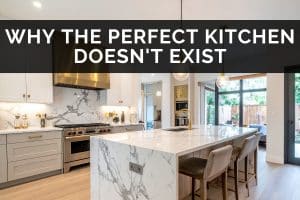
We’ve all seen them, those pristine white kitchens where not a mug, magnet, or tea towel dares to live out of place. The worktops gleam, the lighting is immaculate, and the fruit bowl has exactly three perfectly polished lemons.
They’re beautiful. But also… a little exhausting.
For years, the “perfect kitchen” has been the ultimate design goal: glossy, minimal, and endlessly photogenic. Yet more and more homeowners are quietly rebelling against this ideal. They’re tired of spaces that look like showrooms but don’t feel like home.
In a hurry? Here’s my key takeaway:
✨ Choose materials, layouts, and details that bring warmth, texture, and humanity into your kitchen. True beauty lies in spaces that evolve with you — not those frozen in perfection.
Read on to learn more…
You May Also Like
How To Design A Sustainable Kitchen: Eco-Friendly Ideas
The Rise (and Decline) of the Showroom Kitchen
For much of the past decade, the “showroom aesthetic” dominated design feeds. Think: handleless cabinets, glossy quartz worktops, and spotless white everything. These spaces photographed beautifully and symbolised control, success, and modernity.

But in real life, they rarely stayed that way. Every fingerprint, water spot, or crumb felt like an intrusion. Homeowners found themselves cleaning endlessly to maintain the illusion of perfection, or worse, avoiding using their own kitchens to keep them “nice.”
Social media only amplified this fatigue. Kitchens became backdrops rather than living spaces, styled for a moment rather than designed for decades.
But now, I feel the pendulum is swinging back.
Today, people are craving warmth, softness, and imperfection. Kitchens that invite life, not a some stage to perform in.
The Return of the Imperfect Kitchen
For a little while now, I’ve felt we’re entering what could be called the wabi-sabi era of kitchen design. An appreciation for imperfection, age, and the hand of the maker.
Designers are embracing materials that tell stories:
- Unlacquered brass taps that deepen in tone with use.
- Marble worktops that etch and stain, recording family meals like memories.
- Reclaimed timber shelving with visible grain, knots, and old nail holes.
- Handmade tiles that vary subtly in shade and texture.
These materials evolve. They don’t demand constant polishing; they invite touch, use, and presence.
And perhaps that’s the real luxury now: materials that live with you.

You May Also Like
Organic Modern Kitchen Design – How To Get The Look
Why “Perfect” Doesn’t Work for Real Life
Real kitchens are living environments, full of clatter, laughter, cooking smells, and the occasional spilt sauce. That’s what makes them wonderful.
Overly pristine kitchens create a subtle pressure to perform. Instead of inviting you to cook, they whisper: 🗣️ Don’t make a mess.
A great kitchen should encourage you to experiment, to bake late at night, to share meals without worrying about a splash on the splashback. When everything is flawless, nothing feels real.
Designing for Personality, Not Perfection
Here’s how I feel we are creating character-rich kitchens that feel authentic, not artificial.
1. Mix Materials Intentionally
Layering materials creates warmth and contrast. Combine matte and gloss, stone and timber, metal and ceramic. Even subtle variation, a painted cabinet paired with a natural wood island, adds soul and depth.
💡 Pro tip: Avoid matching every finish. Visual tension feels more human and timeless than homogeneity.
2. Let Finishes Age Gracefully
Choose materials that get better with use. Unlacquered brass, copper, and marble may tarnish or stain, but that’s their charm. They develop a patina unique to your home.
Plastic laminates and high-gloss acrylics, on the other hand, only ever look new… until they don’t.
3. Show Your Life
Put your personality on display. Open shelving with stacked ceramics, cookbooks, or a small herb garden tells a story. A mismatched set of mugs or a vintage stool adds lived-in warmth that store-bought “styling” can’t replicate.
The goal isn’t clutter — it’s character.
4. Soften the Edges
Curves, textures, and layered lighting make a kitchen feel welcoming.
Think linen blinds, rattan pendant lights, or rough-hewn wooden stools. Warm, dimmable lighting and tactile fabrics balance the hardness of stone and steel.

You May Also Like
Japandi Kitchen Design Ideas & How To Get The Look
The Emotional Shift in Home Design
This move away from “perfect” kitchens isn’t just aesthetic, I think it’s cultural.
After years of high-gloss minimalism, people are designing for emotion, not image. They want rooms that feel good, not just look good.
It’s part of a broader shift toward slow living, craftsmanship, and sustainability. Values that prioritise longevity and human connection. Spaces aren’t styled for Instagram; they’re built for life.
Trends fade, but flexibility lasts. A space that adapts to your lifestyle will always feel relevant and personal.
How to Embrace Imperfection Without Losing Style
Imperfection doesn’t mean disorder — it means authenticity.
Here’s how to get the balance right:
- Choose tactile, natural materials that age well.
- Let patina happen — don’t polish it away.
- Layer tones and textures for warmth.
- Style around how you live, not how you post.
- Prioritise comfort over polish.
💡 Designer tip: Choose finishes that forgive. Brushed metals, honed stone, microcement, timber. The more forgiving the surface, the less you’ll notice every mark, and the more you’ll actually live in your kitchen.
Final Thoughts
For many, the kitchen used to feel like a performance space, gleaming, staged, and spotless. Now, it’s becoming a living one again, imperfect, evolving, and full of character.
A perfect kitchen is easy to admire. But an imperfect one, the one that smells like toast and coffee, where the worktop tells stories, is easy to love. 😊
DISCOVER MORE
- The Cosy Kitchen Comeback – Moving Away From Open-Plan

- Why The Perfect Kitchen Doesn’t Exist
- Open Shelving Or Glass-Fronted Cabinets? – Pros, Cons & Advice


Author

Michael is a kitchen designer from the UK. He's been designing and project managing new kitchen installations for over 10 years. Before that, he was an electrician and part of a team that fitted kitchens. He created Kitchinsider in early 2019 to help give people advice when it comes to getting a new kitchen.